Zen Master Thich Thanh Tu, born as Tran Huu Phuoc on July 24, 1924, embarked on a life-transforming path in Vietnamese Zen Buddhism. Raised in a scholarly family devoted to the Cao Dai religion, he showed remarkable qualities from a young age—compassion, contemplation, honesty, and a love for reading. As he grew, his compassion deepened, and witnessing wartime suffering ignited his desire to alleviate it.
Guided by Master Thich Thien Hoa, he was ordained as Thich Thanh Tu at 25, marking a decade of intense learning and practice. After completing his education at esteemed Buddhist schools, he delved into meditation, founding the Phap Lac meditation center in 1966. A breakthrough came with the understanding of “Nothingness,” a concept from Mahayana sutras.
Emerging from seclusion in 1971, Thich Thanh Tu initiated a study program, emphasizing simultaneous learning and practice. His teachings covered Buddhist scriptures, history, and meditation techniques, encouraging awareness of thoughts without attachment. Additional programs in 1974 expanded his reach.
Thich Thanh Tu’s influence extended globally, inspiring practitioners, scholars, and lay Buddhists. His teachings, simple yet profound, resonated with diverse audiences, transcending professions and backgrounds. Translated into English, his wisdom reached a wider spectrum.
Despite his impact, Tran Thanh Tu remained humble, epitomized in his poem “The Wild Sunflowers.”
Today, his legacy thrives through the Truc Lam sect, with established monasteries, teachings, and writings. Tran Thanh Tu’s influence continues to radiate compassion, wisdom, and enlightenment, touching lives worldwide. |


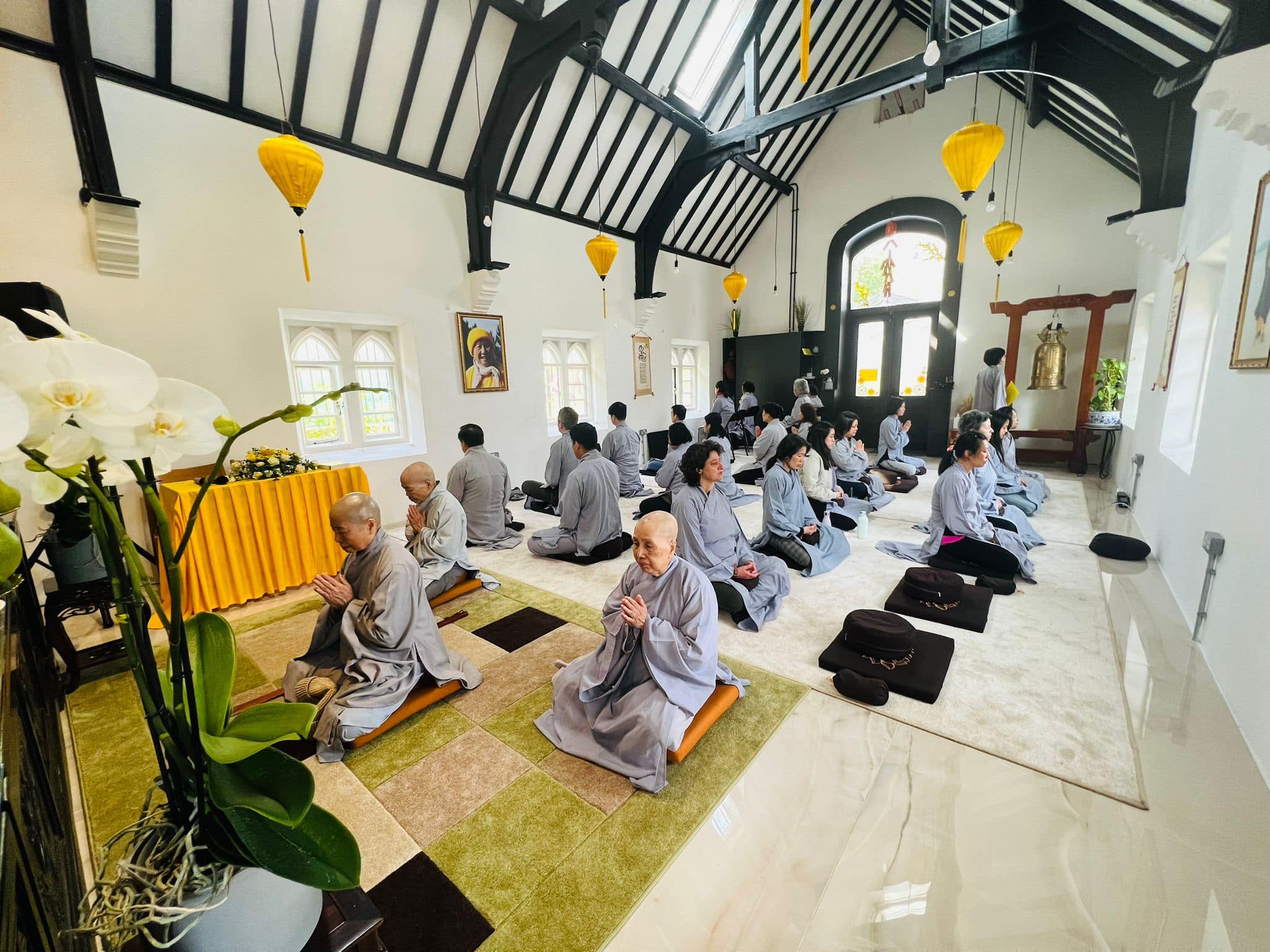
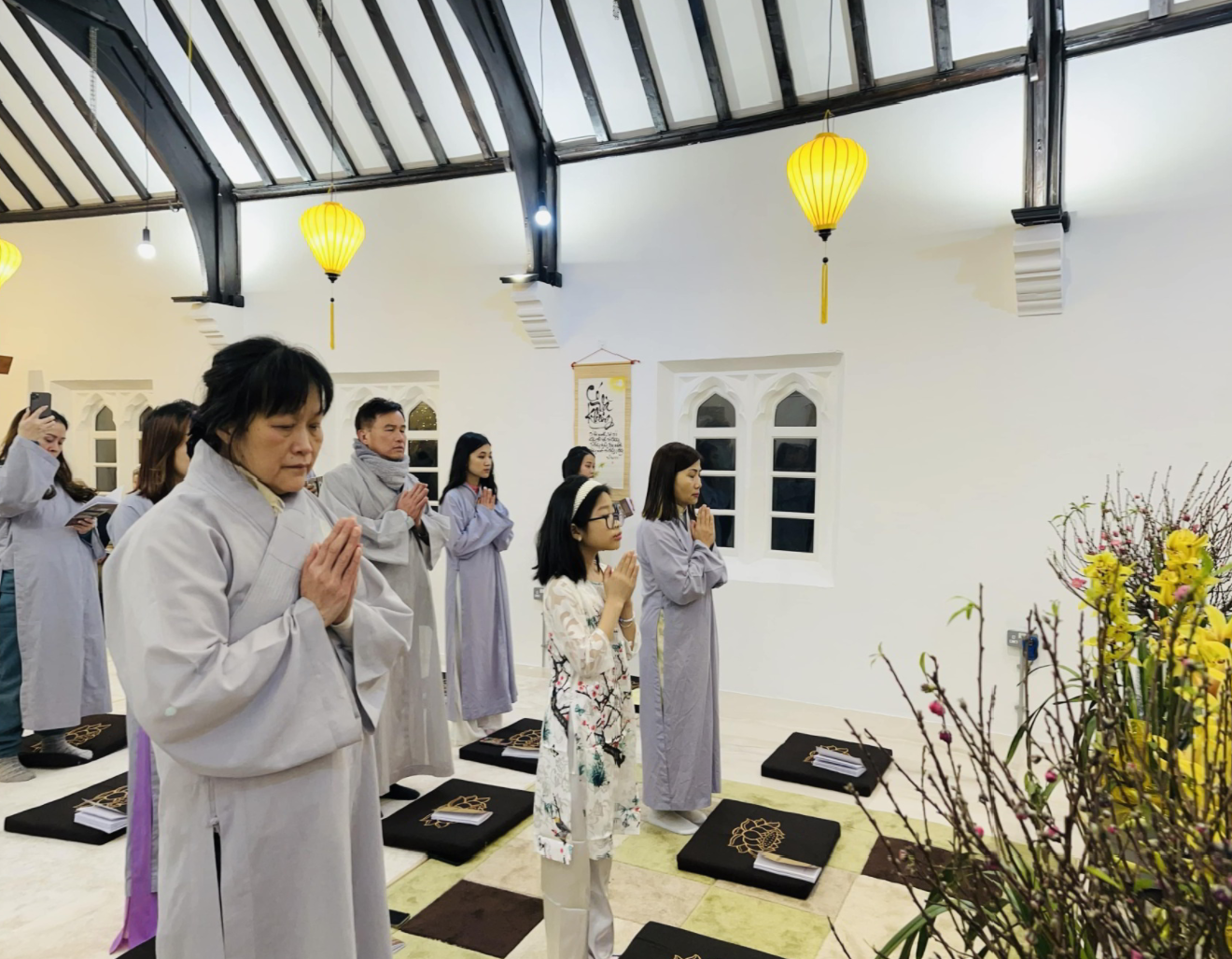
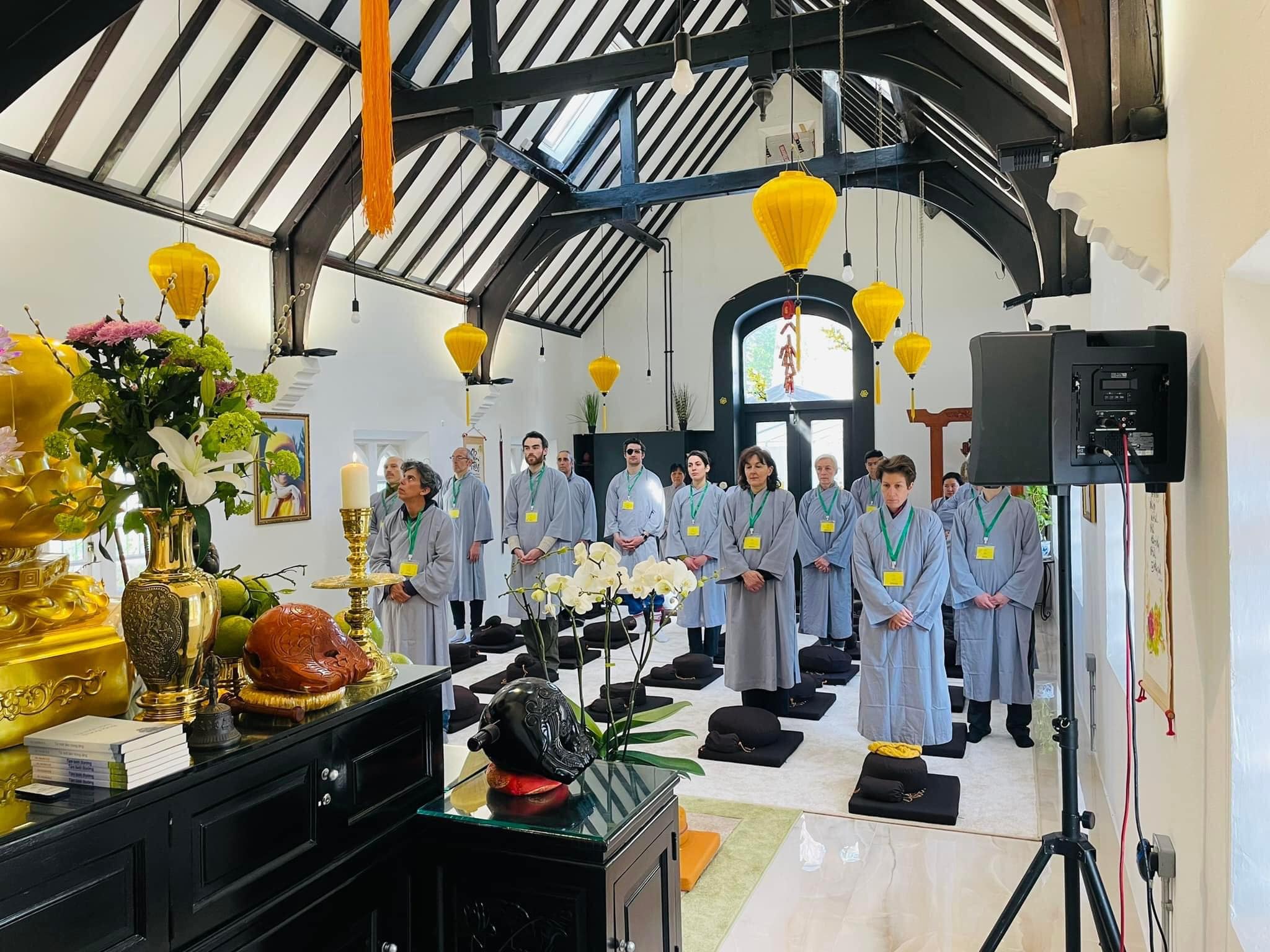


 CHAN KHONG ZEN MONASTERY